Why Mountain Homeowners Are Rethinking Their Exteriors
by Josh Dembicki, Owner of Bellwether Windows, Siding & Doors

Something felt different this winter. The snow never really came. The temperatures stayed warm enough to confuse the trees, the wildlife and, honestly, most of us too. By February, we’d lived through the warmest winter in 131 years of Colorado recordkeeping, and the mountains looked more like late October than deep winter.
If you spent the season feeling unsettled, you weren’t alone. Conversations at the coffee shop, at school pickup, at neighborhood gatherings kept circling back to the same questions: What’s happening? What does this mean? And quietly, for those of us who think about homes for a living: What is this doing to the houses we live in?
The Winter Nobody Expected
In a normal year, snow insulates. It reflects UV radiation away from your siding and trim. It moderates the temperature swings that stress every material on your home’s exterior. It keeps moisture in the soil around your foundation. Snow, for all the shoveling it requires, actually protects your home.
This year, that protection never arrived. Instead, your home’s exterior spent months under relentless high-altitude sun with no relief. At 7,500 feet, UV intensity is significant even in January. Without snow cover to reflect it away, siding absorbed that radiation day after day. Wood dried out and cracked. Paint oxidized faster than it should have. Caulking and sealants aged another year in a single season.
The temperature swings made it worse. Fifty degrees during the day, 20 at night, then back again. That cycling expands and contracts every material on your home. Gaps open. Seals weaken. The envelope that protects your living space becomes a little less tight with each swing.
None of this damage announces itself. There’s no dramatic failure, no obvious moment when something breaks. It accumulates quietly, invisibly, until one day you notice the draft that wasn’t there before, or the crack that seems to have appeared overnight, or the energy bills that keep climbing even though nothing else has changed.
What’s Coming Next
The same conditions that made this winter so unusual are setting the stage for a difficult summer. State climatologists are warning of an early and potentially severe fire season. The drought task force has already been activated. Snowpack levels are at historic lows, which means dry vegetation, stressed forests, and elevated fire risk for months to come.
Insurance carriers are watching closely. The non-renewal letters that arrived last year were just the beginning. Underwriters are using satellite imagery and wildfire risk scores to evaluate properties, and they’re making decisions based on what they see: roof condition, vegetation proximity, siding materials, defensible space. Homes that present higher risk are being dropped or priced out of affordable coverage.
And by mid-April, hail season begins. Colorado’s Front Range sits in the heart of Hail Alley, and while the foothills typically see smaller stones than Denver, we’re not immune. Storms that form near Evergreen often intensify as they move east, but they start here. Aging siding and compromised seals are more vulnerable to damage when hail does arrive.
This is the context mountain homeowners are facing as spring begins. Not a single dramatic threat, but a convergence of pressures that makes the condition of your home’s exterior more consequential than it’s ever been.
The Opportunity in This Moment
Here’s what I want foothills homeowners to understand: This moment, as uncertain as it feels, is also an opportunity. Spring is when you can take stock of what this winter did and make decisions on your own timeline, before fire season, before hail season, before another insurance renewal.
The homes that will fare best in the years ahead aren’t necessarily the newest or most expensive. They’re the ones where someone took the time to think strategically about how the exterior looks, how the home feels to live in, and how the materials hold up against everything Colorado delivers.
That’s the approach we take at Bellwether. We don’t think about siding, windows and doors as separate projects. We see your home as a system, and we ask how each improvement can serve multiple goals at once. Fiber cement siding that’s noncombustible and beautiful. Windows that seal properly and frame your views. An envelope that keeps conditioned air inside and keeps the weather where it belongs.
When we’re replacing siding, we’re also thinking about the insulation opportunity behind it. When we’re installing windows, we’re ensuring the rough openings are properly sealed. When we’re designing an exterior transformation, we’re considering how it will look from the driveway, how it will feel on a February evening, and how it will perform through decades of mountain weather.
Built for What’s Coming
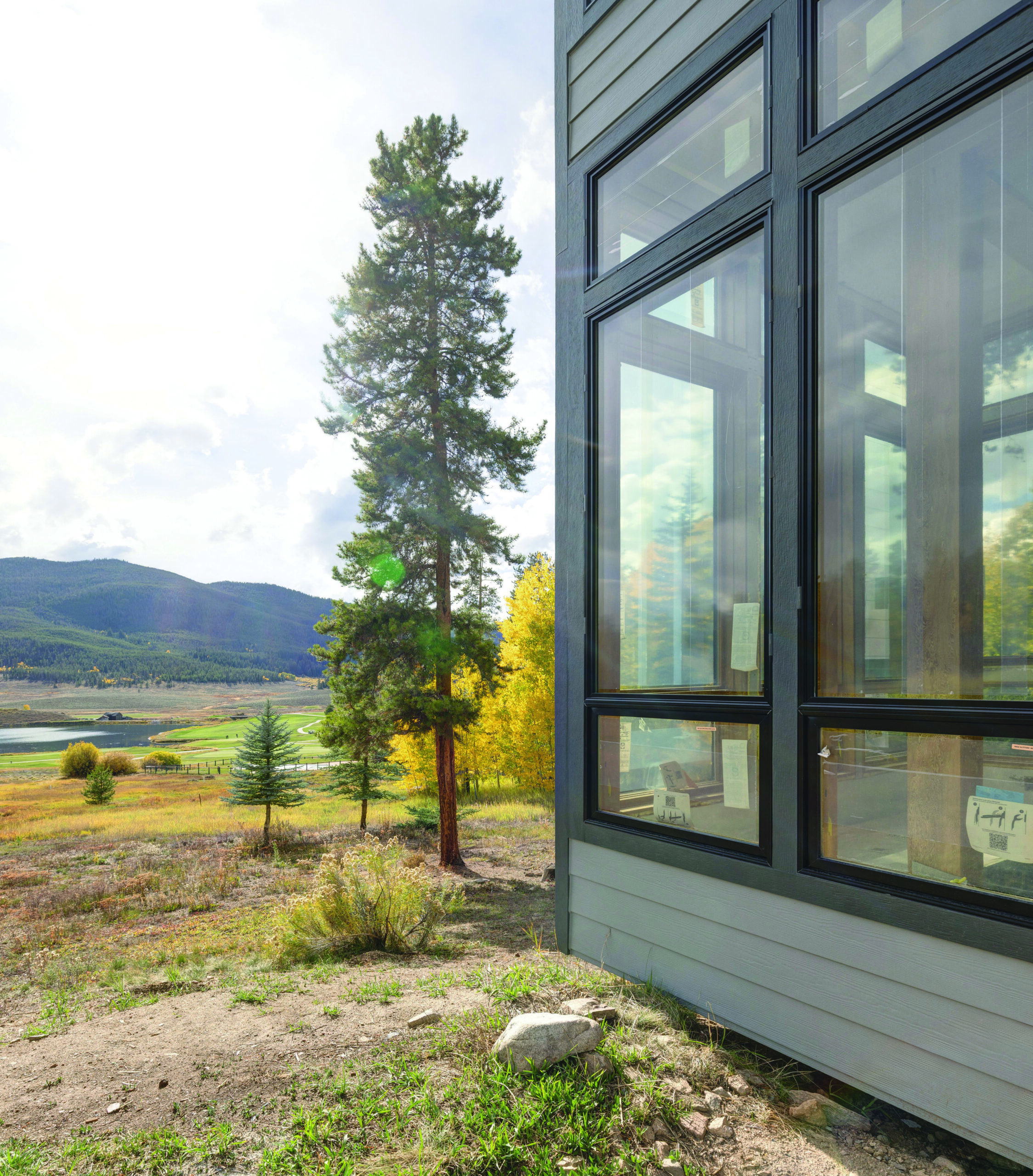
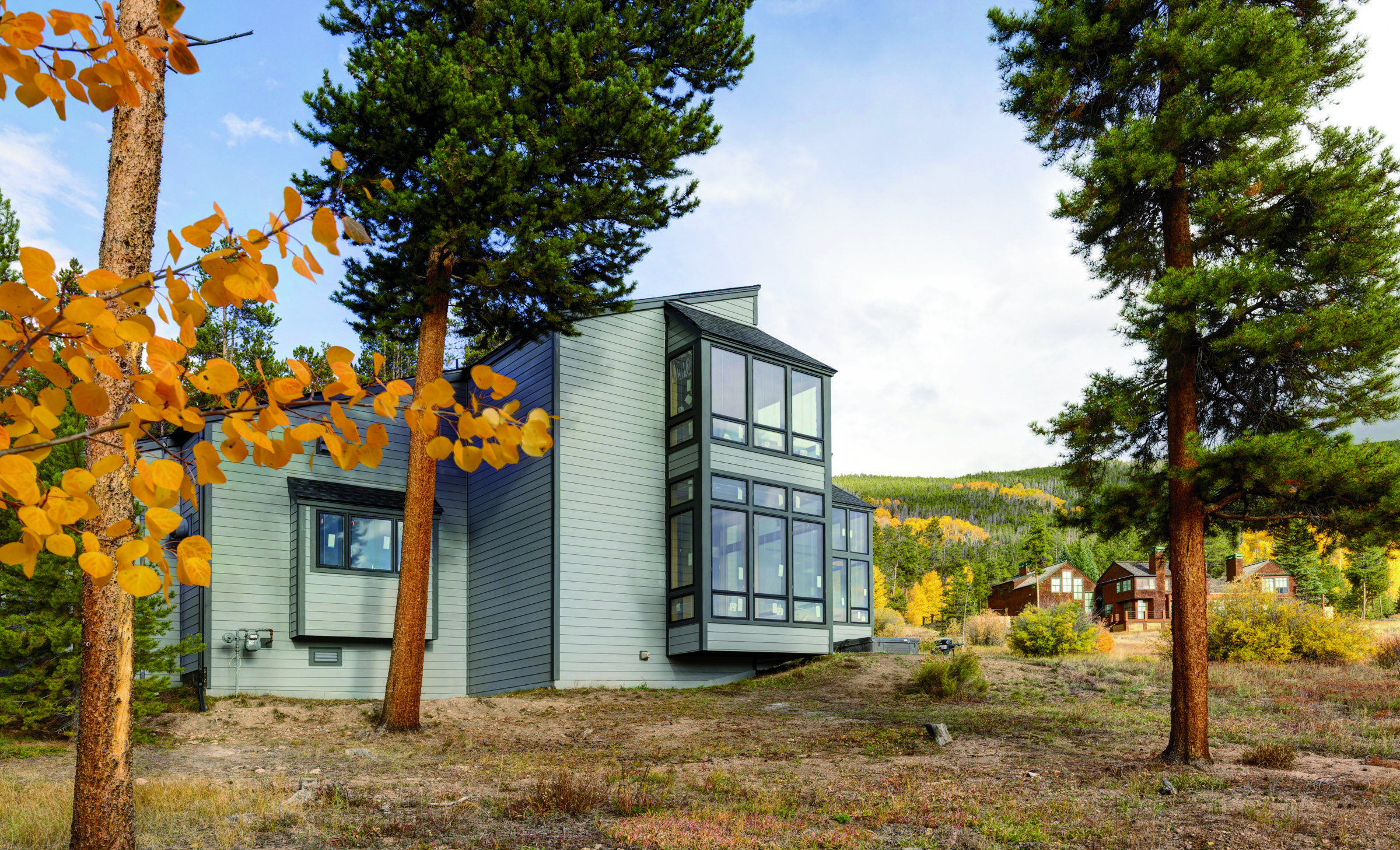
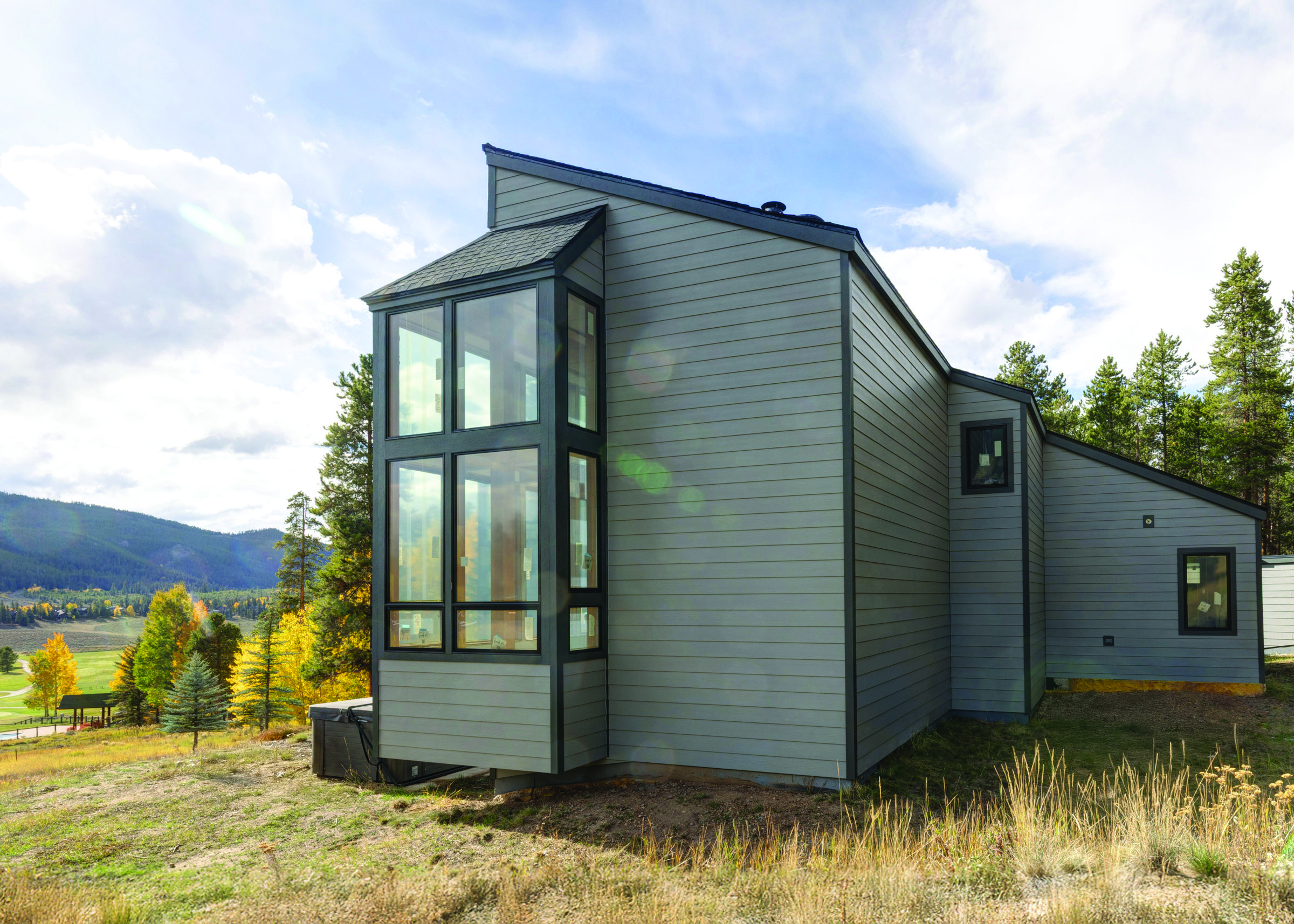
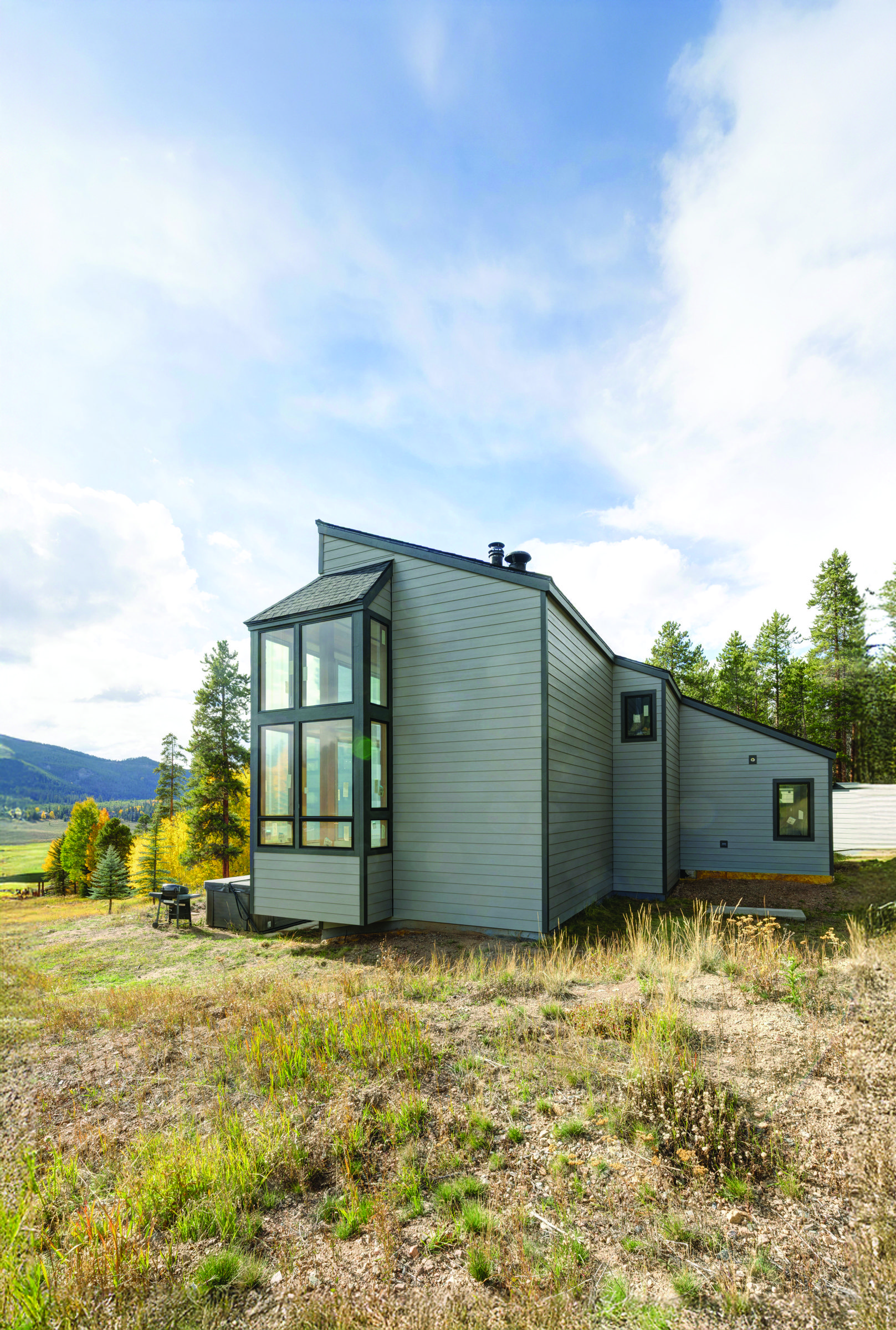
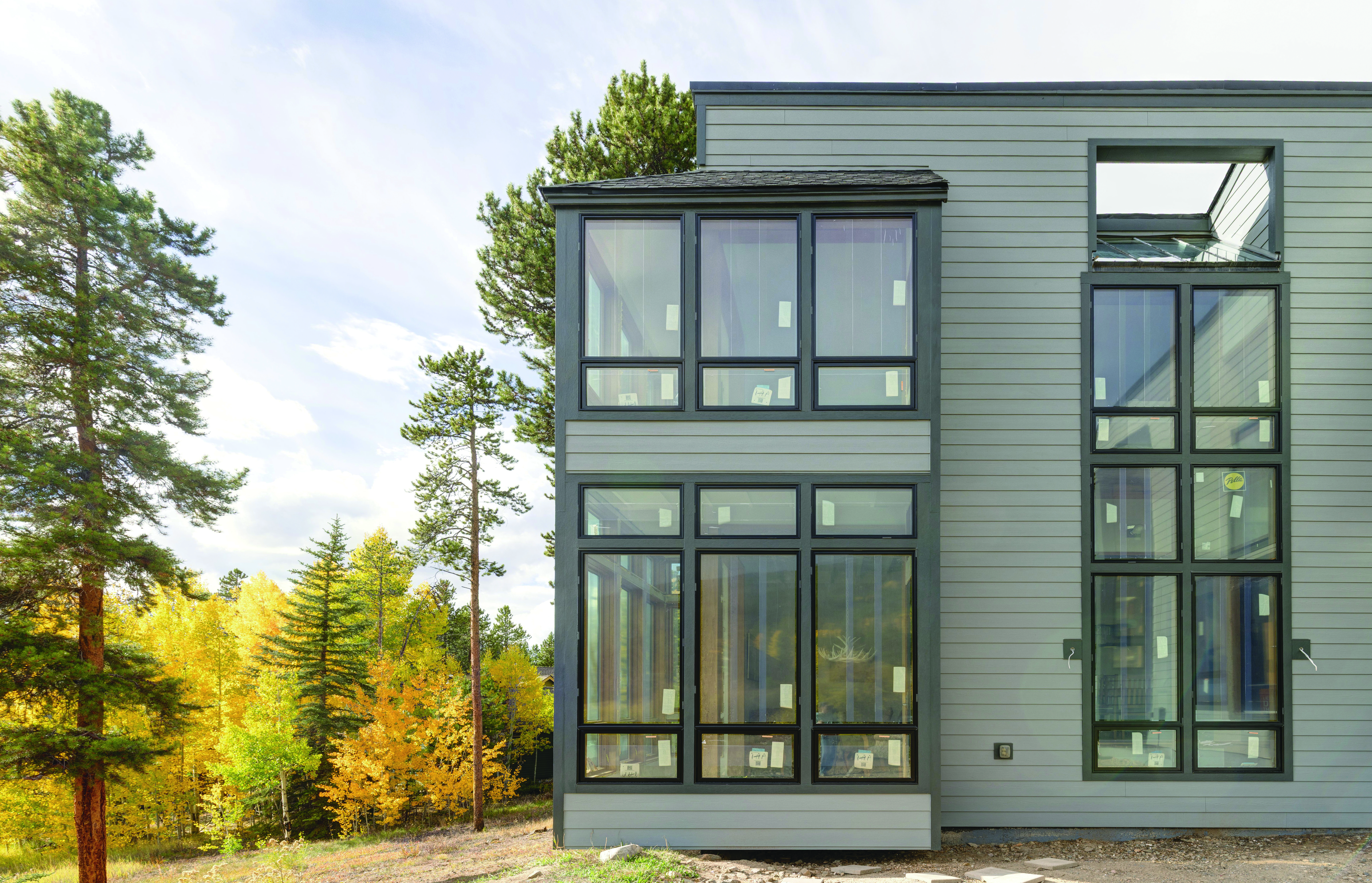
The home on this month’s cover represents what’s possible when you approach an exterior project with intention. Modern lines that feel right in the mountain landscape. Windows that flood the interior with natural light while standing up to extreme conditions. Materials chosen not just for how they look today, but for how they’ll hold up over time. This is what thoughtful transformation looks like. Not a reaction to a crisis, but a proactive investment in a home that’s ready for whatever comes next.
If this winter left you thinking about your own home’s exterior, you’re not alone. And spring is the right time to start the conversation.
Bellwether Windows, Siding & Doors helps mountain homeowners improve how their homes look, feel and hold up over time. Schedule a consultation at bellwetherhomes.com.