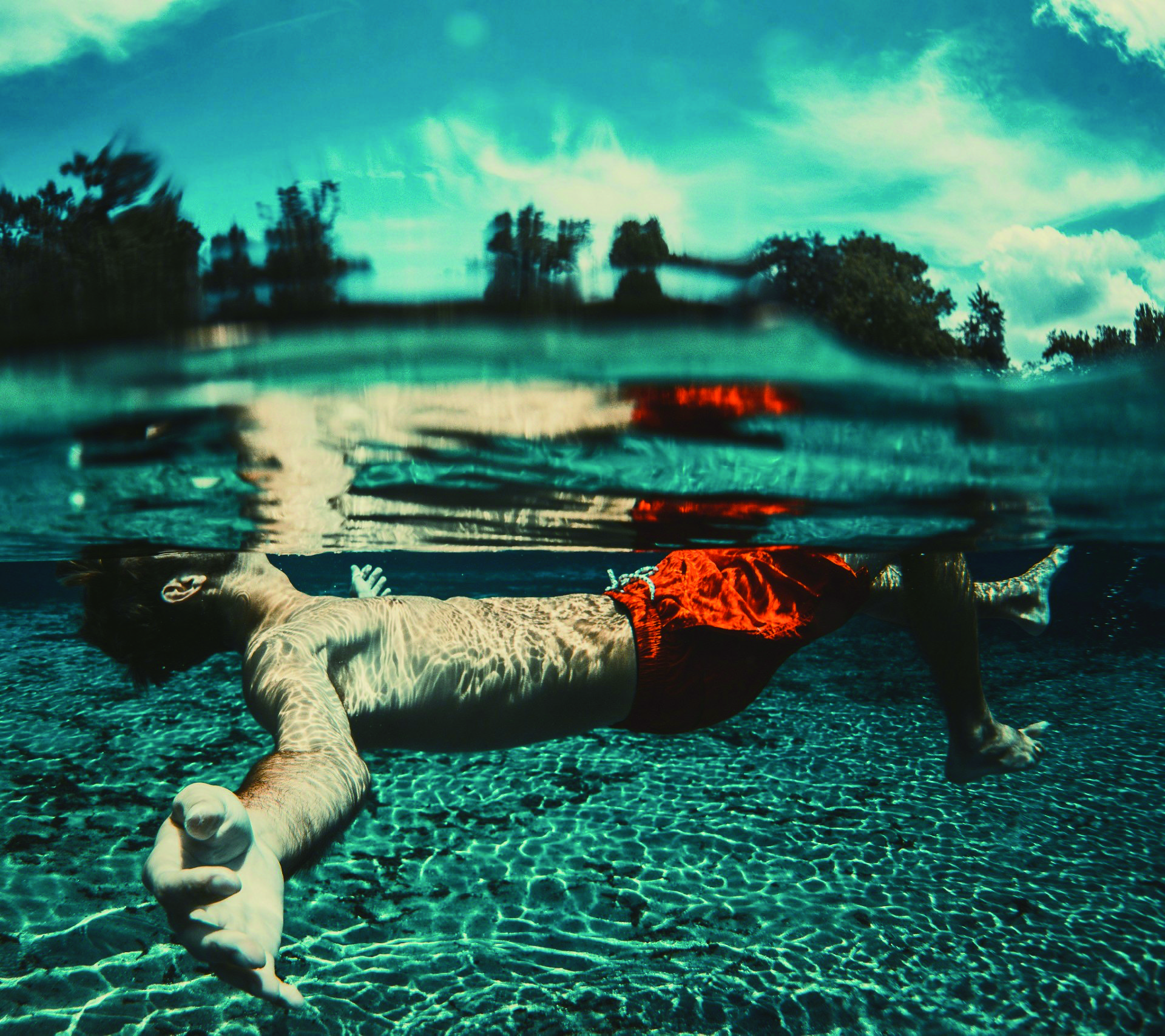
I’ve been doing a lot of floating lately: bathtub, pool, hot tub, rivers, ocean. There is something to be said about being weightless. Not only weightless, but also tuned out from the rest of the world. When my ears submerge, I’m transported back to when I was a child and would take tremendously long baths. Actually, due to water shortage, I remember sharing bath water with my brothers, one right after another. Don’t tell them, but I distinctly remember peeing in the water before it became their turn. Some childhood secrets are probably better left submerged.
Maybe that’s why I’ve been thinking so much about childhood. Floating has a way of untethering you. Arms stretched wide, back gently arched, ears underwater, you find that sweet spot where gravity loosens its grip and nothing is expected of you. No conversations to have. Like a child, no decisions to make. Just the gentle reminder that sometimes existing is enough.
“Apparently, I’d reached a level of relaxation usually reserved for sea otters.”
A few weeks ago, I decided to level up my floating game and booked a session in one of those sensory deprivation float tanks. You get your own private room with soft blue lighting that feels like somewhere between spa and spaceship. The tank has a lid you can lower as much or as little as you like. I experimented with every level from “slightly cozy” to “coffin panic.” But it’s not really about the lid. It’s about the float.
The session was for two hours, though I wasn’t convinced I’d make it that long without dissolving into a human raisin. There were music options that set the serene tone for a floating meditation. I settled in, the music faded, my body relaxed, and somewhere between consciousness and dreaming, time simply disappeared.
The knock on the door nearly launched me into another dimension as I sloshed about to get my bearings.
“Sandy? Your float time is up. Take your time getting dressed.”
Wait… what?
I grabbed my phone.
Two hours.
Gone.
Apparently, I’d reached a level of relaxation usually reserved for sea otters.
Float tanks are wonderful if you can swing the cost, and I’d happily recommend the experience. But lately I’ve realized the best floating doesn’t require a reservation. Sometimes it’s finding a quiet eddy in a flowing creek. Maybe it’s falling off a paddleboard and deciding to stay in the water a little longer instead of scrambling back on. And sometimes it’s moving through life the same way a child does.
I see it every day in my preschool classroom. A child carefully builds an elaborate tower from magnet tiles, only to have it toppled by a classmate seconds later. The tears or frustration are real, but so is the apology. Moments later they’re building together again, as if nothing happened. They don’t spend the rest of the day replaying the offense or keeping score. They simply move on.
We all know adults like this, too. Not people who avoid life’s bumps, but people who refuse to let every annoyance sink them. The slow driver in the left lane? They simply go around. The chatty customer holding up the grocery line? They smile and wait. The relentless headlines? They stay informed without internalizing or spreading the woes of the world. They don’t ignore reality. They just don’t let it stick.
I’ve started to think floating isn’t an escape plan. It’s more like a filtering system. Not every irritation deserves a starring role. Some things are perfectly capable of drifting by without climbing aboard. Children don’t need to be taught this. They lean back, trust the water, and somehow resist the urge to overthink it.
Maybe we need to remind ourselves what children already know: how to float.