In 2008, the Strong National Museum of Play in Rochester, NY inducted into its Toy Hall of Fame what it considers to be the world’s first, oldest, original toy.
It probably is, too. Sticks are all over the place, they’re free, and they’re remarkably versatile playthings. A stick can be a sword, a spear, a magic wand. You can play fetch with it, draw in the dirt with it, build a fort with it, or beat the crap out of it. You can almost hear the prehistoric Paleolithic man yelling at her kids:
“Og! Grog! Stop waving those sticks around! Somebody could lose an eye!”
Kids are trouble like that. They have natural talent for getting hurt.
Clackers
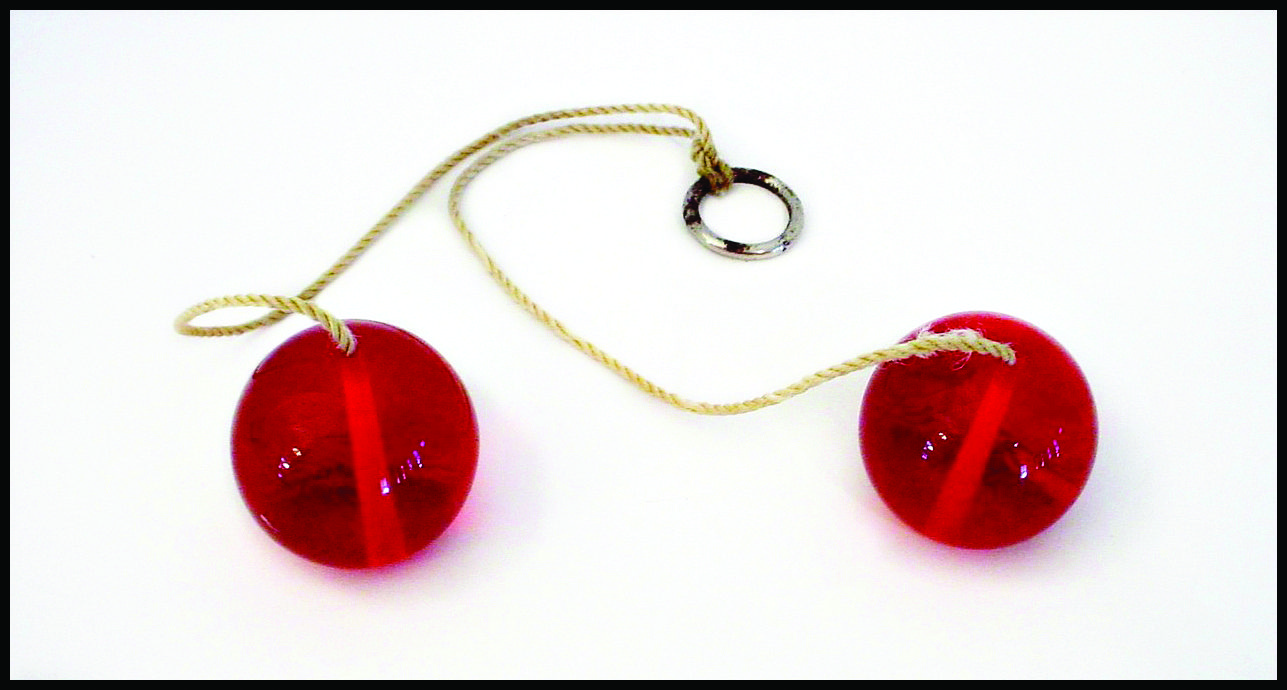
The ’70s were a simpler time, seemingly. Kids went nuts over toy solid polyvinyl balls connected by a string. They were fast and noisy and, unfortunately, prone to shatter into high-velocity shrapnel without warning. They were effectively banned by the Consumer Product Safety Commission (CPSC) in 1985.
Magic Pistol
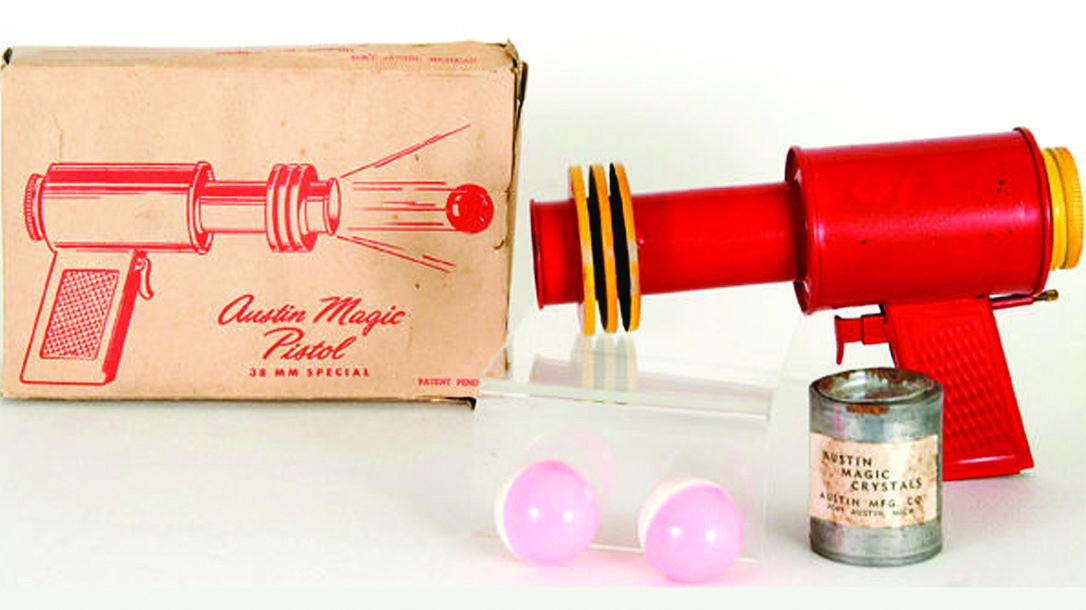
Produced in the late ’40s and early ’50s by the Austin Magic Company, the Magic Pistol contained calcium carbonate crystals and water within its ignition chamber to create a powerful explosion capable of shooting a ping pong ball at the cat at 60-caliber speed. Consumer complaints focused less on the many predictable impact injuries incurred as the blistering fast-moving ball shattered glass, and more on the plastic barrel shattered and lodged in children’s mouths, splintering into fragments and leaving lifelong injuries. By 1954, the manufacturer had pulled the product.
SnackTime Cabbage Patch Kid
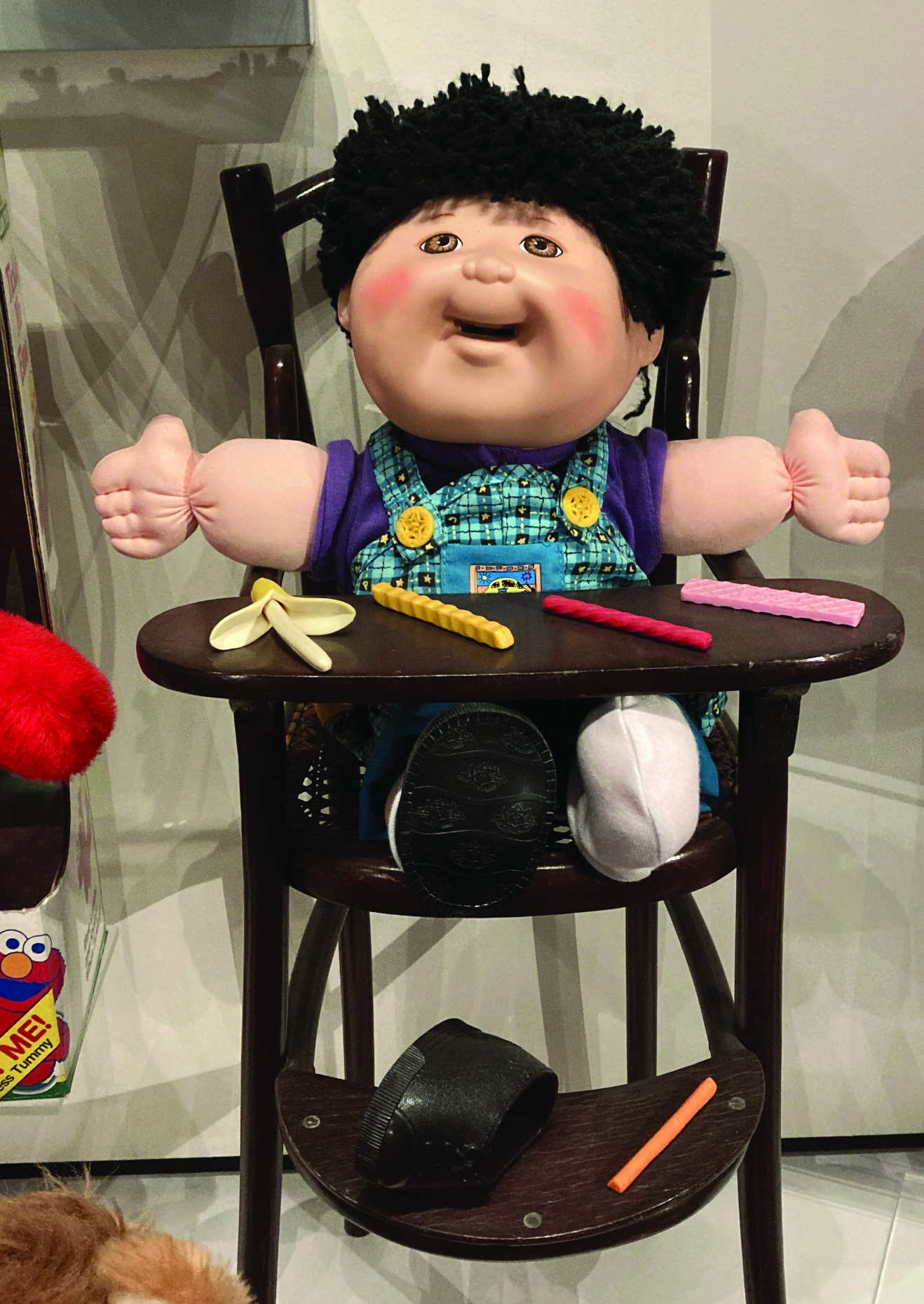
It was a doll that could actually eat. With its mouth, Mattel introduced the Kidsnacks in 1996, and it immediately began to garner negative attention for injuries caused by the voracious Snacktime Kid’s inability to distinguish between tasty snacks and children’s hair and fingers.
CSI Fingerprint Analysis Kit
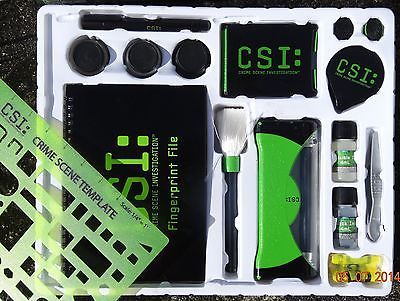
It was an idea that couldn’t miss. Let the detective dust for prints. Make your case. Kids loved it. Unfortunately for the Austin-based maker, PlayLab, the finger fingerprint analysis kit was prone to inhalation hazards, including toxic ammonium chloride, poisonous cadmium carbonate, and iron sulfide, which is perfectly harmless unless it comes in contact with any one of the acids contained in the kit, which would produce deadly hydrogen sulfide gas. Released in 1950, the U.S. Atomic Energy Lab came with three small jars of uranium-238 for educational purposes using the “it couldn’t hurt” excuse. Children exposed to radiation exposure were known to develop leukemia.
Gilbert U-238 Atomic Energy Lab
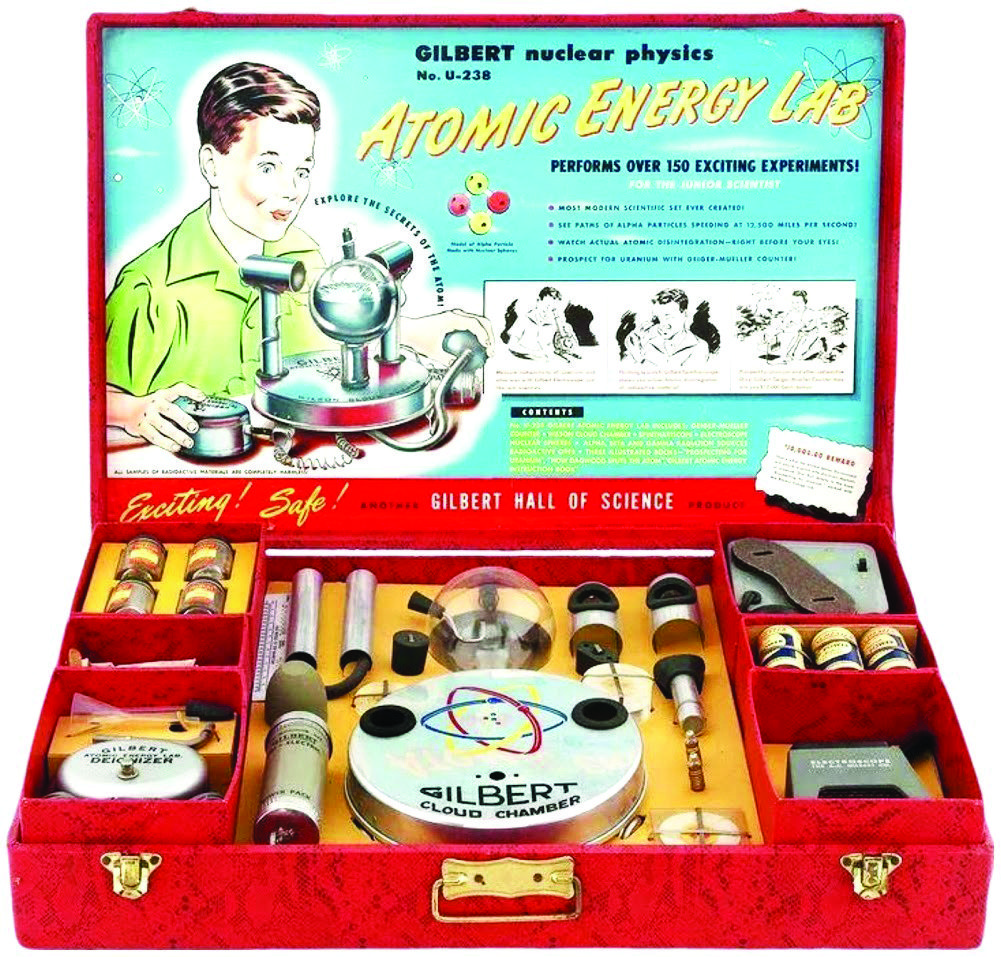
Alfred Carlton Gilbert, inventor of the Erector Set, also marketed about a dozen different chemistry sets containing, among other interesting substances, toxic ammonium chloride, poisonous cadmium carbonate, and iron sulfide. Released in 1950, the U-238 Atomic Energy Lab came with three small jars of uranium-238 for educational purposes. It wasn’t until the late 1950s that the risk of radiation exposure was widely known.
Rollerblade Barbie
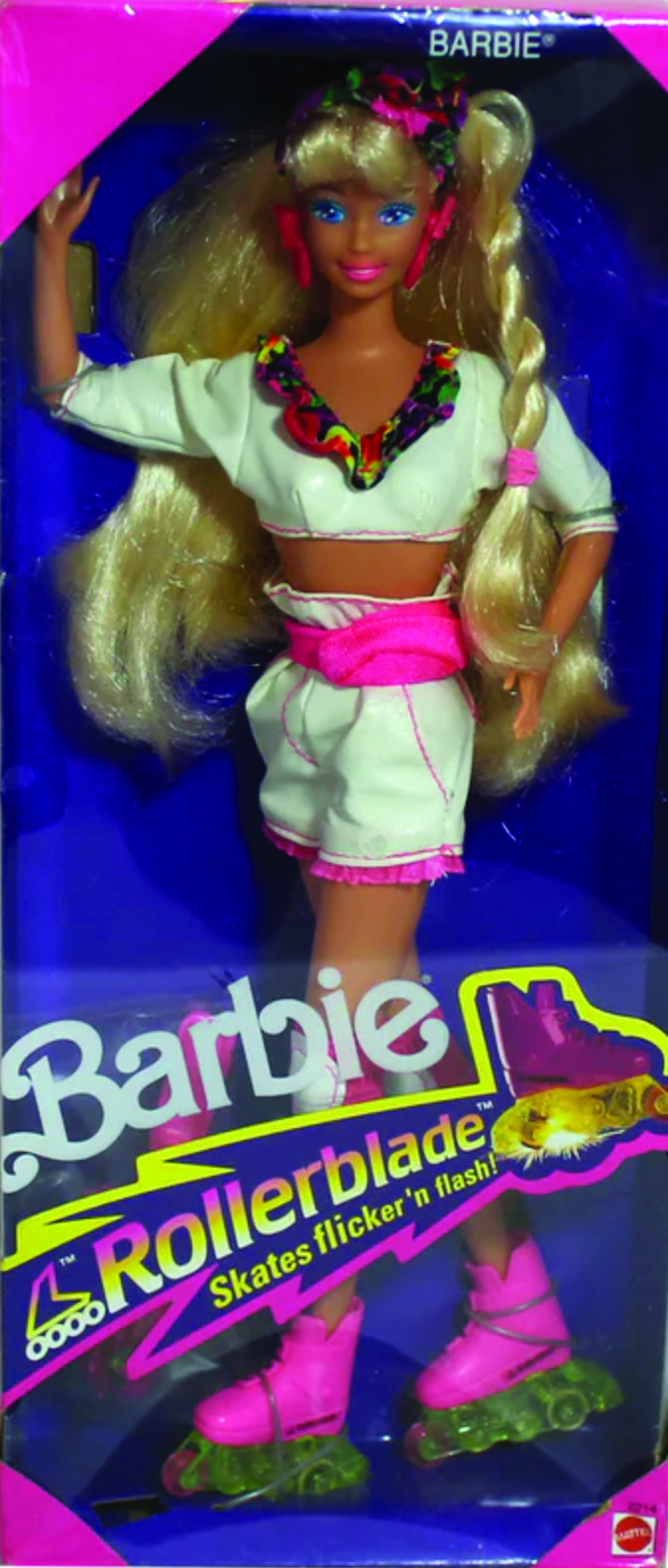
She was so 1991, chic neon kneepads above hot pink rollerblades. Rollerblade Barbie was 1991 cool, still recalling the entire production in 1992. It seems that most Rollerblade Barbie owners were not thrilled by the fact that Barbie’s wheels could not be removed, causing her to roll uncontrollably down stairs and off balconies.
“Young girls couldn’t get enough of Rollerblade Barbie, but their parents complained that Barbie’s flaming feet posed a serious fire risk.”
Easy-Bake Oven
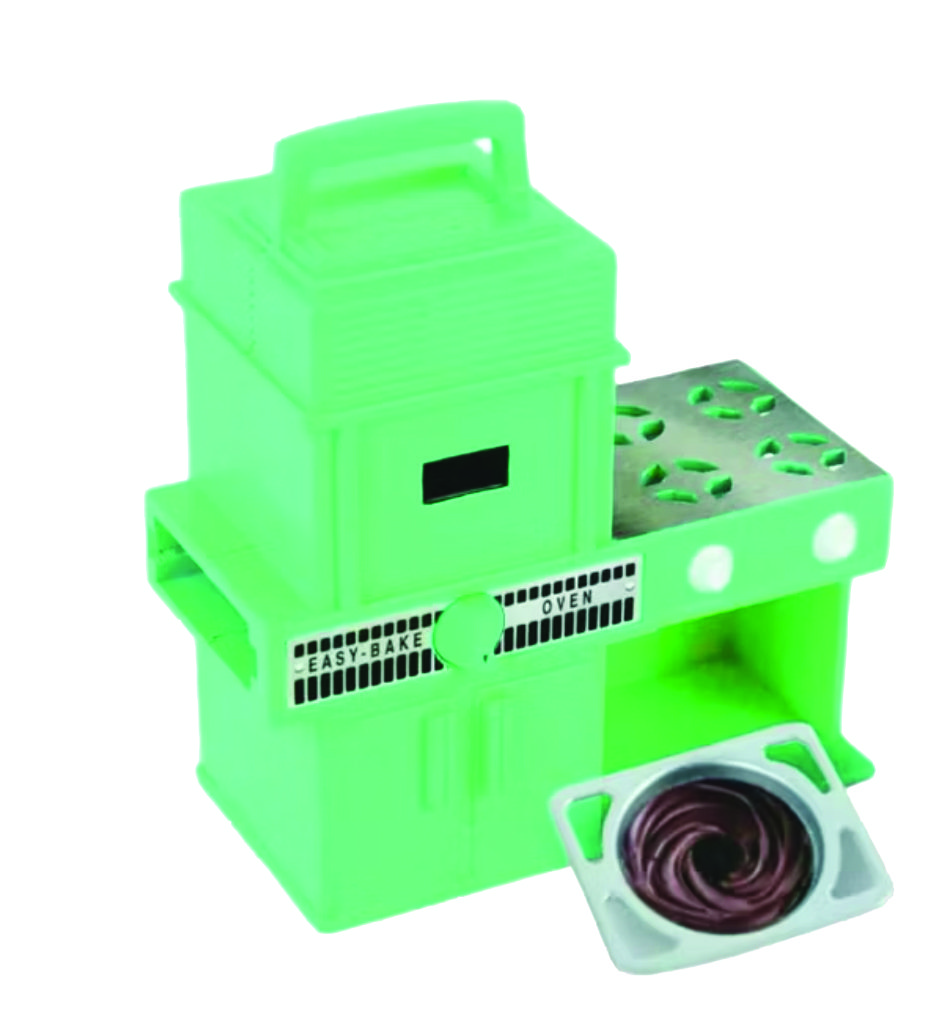
Delighting young homemakers since 1963, the wildly popular Easy-Bake Oven cooked until it was common knowledge that it was powered by a front-loading door and a 100-watt light bulb. Little girls from coast to coast immediately started getting their little hands stuck in the oven, resulting in burns repeated burn injuries and at least one partial finger amputation. Hasbro recalled nearly a million units in 2007, offering a safe retrofit kit and recommending that the oven be used in future by children younger than eight years old.
Toothpick Crossbow
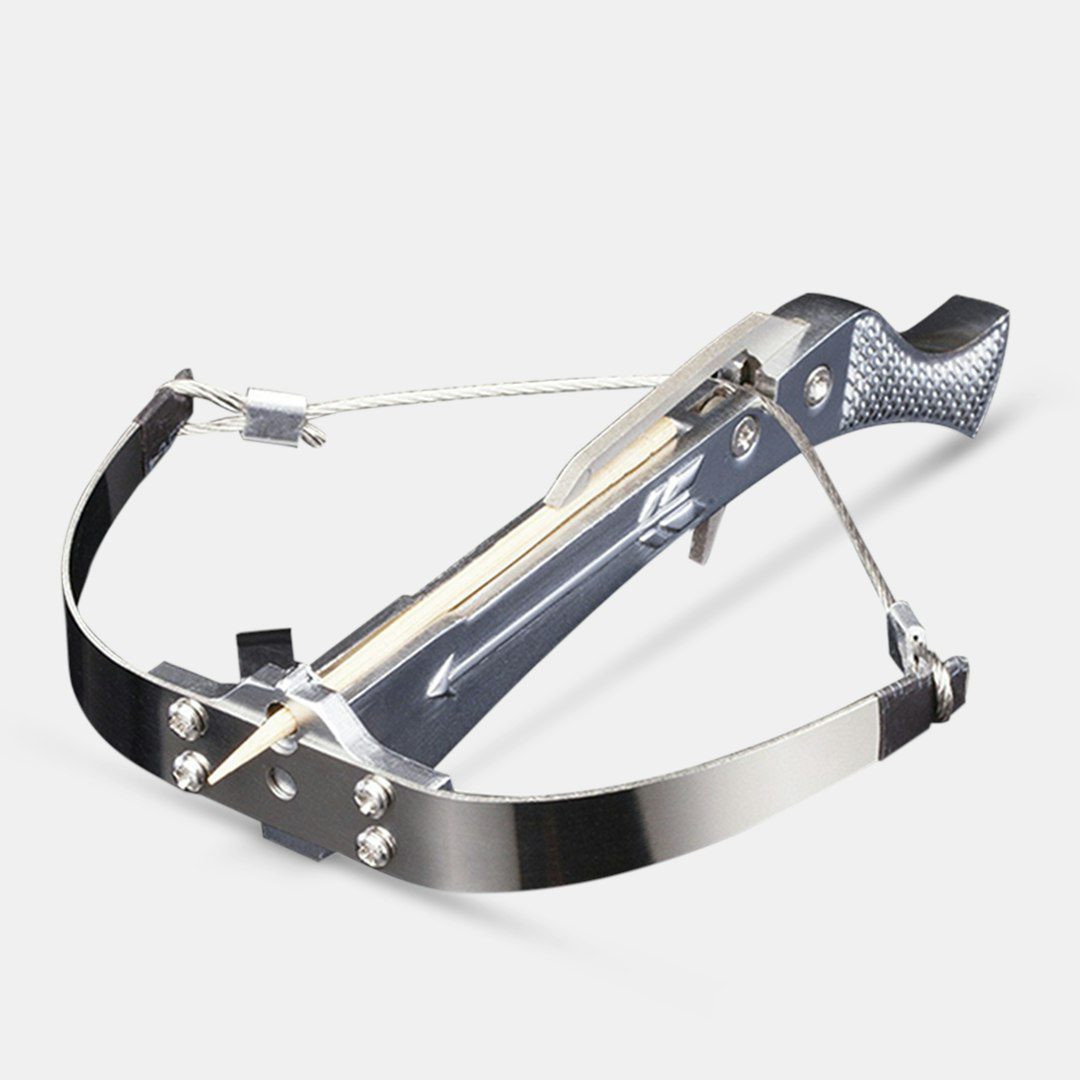
Miniature versions of the crossbow weapon of war, these Chinese toys come with a supply of bamboo toothpicks and are easily available online. Most popular among adolescent boys, they can drive a toothpick through cardboard, a notebook, through glass, or nail through skin.
America’s original manufactured toy is Radio Flyer wagons, first produced by Italian immigrant Antonio Passeri in 1917. Used to haul produce on your newspaper route, which is both practical and exciting, it’s a one-way ticket to traction.
About 2,700 domestic manufacturers drive the nation’s $42 billion toy industry, unloading something over 3 billion toys last year. 70 percent of them between October and the New Year. For most part, toy makers take pains to ensure their products are safe for recreational consumption. But there have been problems.